How Long Does Pebble Tec Last in Florida Pools?
Living in Central Florida means dealing with distinct seasons: the dry, pleasant winters and the hot, humid summers where temperatures hover between 90-95°F. For homeowners from Winter Park to Clermont, the backyard pool isn't just a luxury; it is a necessity for cooling off. Because we use our pools so frequently, the durability of the interior finish matters immensely. You don't want to drain your pool for repairs every few years when you could be swimming.
This brings us to one of the most popular choices for pool interiors: Pebble Tec. Known for its natural look and texture, it is a top contender against standard white plaster (Marcite). But does it hold up against our intense UV index and lightning-storm-heavy rainy seasons?
What Makes Pebble Tec So Popular?
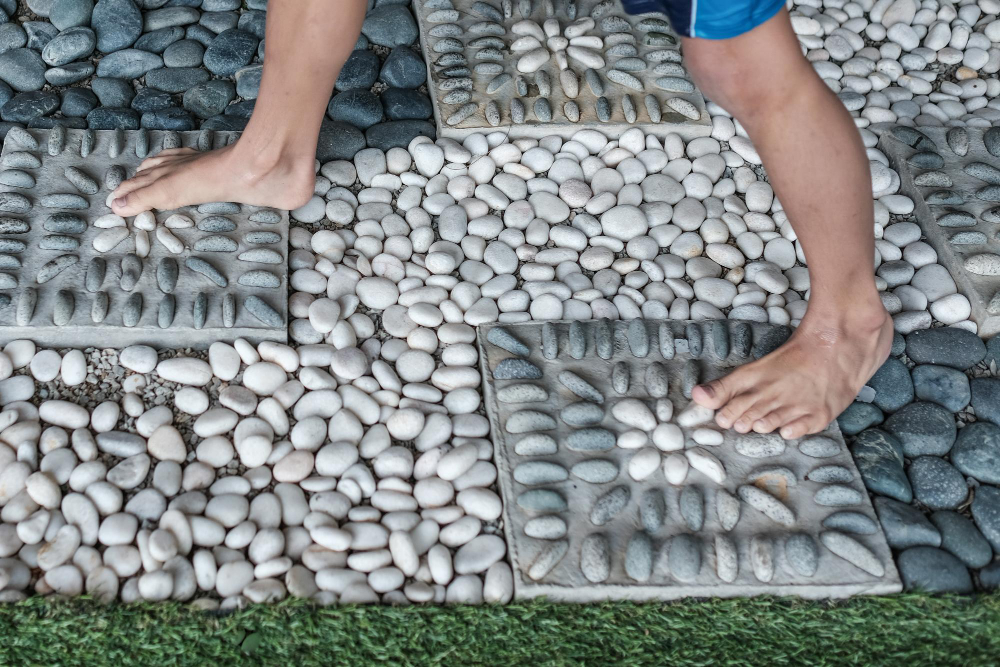
It is popular because it combines a stunning, natural aesthetic with a durability that far exceeds traditional plaster options. Unlike standard Marcite, which is a mix of cement and marble dust, Pebble Tec consists of small river stones or aggregates embedded in cement. This creates a surface that is harder, less porous, and more resistant to chemicals.
For homeowners considering a change, pool resurfacing with a pebble finish is often the best long-term investment. The aggregate stones hide minor imperfections and chemical stains much better than a solid white surface. This durability is exactly why so many residents search for pebble tek in Tampa Florida when upgrading their backyard oasis. They want a pool that looks as good in year ten as it did in year one.
How Many Years Can I Expect It to Last?
You can generally expect a high-quality Pebble Tec finish to last between 15 and 20 years in Florida, provided it is maintained correctly. This is a significant improvement over standard white plaster, which typically lasts only 5 to 10 years before it starts to pit, chip, or stain.
Why does this matter? Resurfacing a pool is a major project that involves draining the water, prepping the surface, and applying new material. By choosing a finish that lasts two decades, you're effectively cutting your long-term renovation costs in half. While the initial price tag is higher, the longevity makes it the smarter financial choice for most property owners.
Does Florida Weather Affect the Lifespan?
Yes, our specific climate factors—specifically the intense sun and heavy rainfall—can impact the longevity of your pool finish. Florida's humidity sits at 70-80% during the summer, and we get over 50 inches of rain annually.
The afternoon thunderstorms during hurricane season (June through November) can dump inches of rainwater into your pool in an hour. Rainwater is acidic, which can lower your pool's pH. If that pH stays low for too long, the acidic water starts to eat away at the cement holding the pebbles in place. However, because Pebble Tec is less reactive than plaster, it withstands these pH fluctuations better than other materials.
What Signs of Wear Should I Look For?
You should keep an eye out for calcium scale buildup or loose stones, though these issues are rare if the chemistry is balanced. Over time, you might notice slight fading, but the variation in the stone colors makes this difficult to see.
If you're looking at your pool area and noticing the deck looks tired or cracked, it might be time to tackle two projects at once. Many homeowners choose to handle pool deck resurfacing at the same time they refinish the pool interior to ensure the whole area looks cohesive.
Signs that the finish has actually failed include:
- Delamination: This is where the finish separates from the shell of the pool, creating a hollow spot.
- Cracks: Structural cracks need immediate attention to prevent leaks.
- Missing Stones: If you feel "bald spots" where the aggregate is gone and only rough cement remains.
How Much Does It Cost to Install or Replace?
Installing a pebble finish in the Central Florida market typically costs between $8,000 and $15,000, depending heavily on the size of your pool and the specific color tier you choose. In comparison, a standard plaster job might cost $5,000 to $8,000.
While the upfront cost is higher, the "cost per year" of ownership is often lower with pebble finishes because they last twice as long. According to data on home improvement costs, aggregate finishes consistently rank at the higher end of the pricing spectrum due to the labor-intensive application process, but they offer the best return on investment for longevity.
How Can I Extend the Life of My Finish?
The single most effective way to make your Pebble Tec last 20+ years is to maintain proper water chemistry.
- Balance the pH: Keep it between 7.2 and 7.6.
- Check Alkalinity: This acts as a buffer for your pH.
- Brush Gently: You do not need aggressive wire brushes for pebble finishes. A standard nylon brush is sufficient to knock down algae or dirt.
This matters because water is the "universal solvent." If it doesn't have enough calcium or minerals in solution, it will try to pull those minerals from your pool walls, weakening the bond of the finish.
Is It Worth the Investment?
For most Florida homeowners, the answer is a resounding yes. Whether you live near the busy I-4 corridor or in a quiet neighborhood in Oviedo, your pool is a retreat. We see many requests for pebble tek in Tampa Florida simply because neighbors talk to neighbors. When one person gets 20 years out of their pool finish while another has to resurface their plaster pool after 7 years, the choice becomes clear.
Finding a reliable installer is the final piece of the puzzle. You need a team that understands the local climate and has the specific training to apply these aggregate finishes correctly.
If you're ready to upgrade your pool or have questions about the condition of your current finish, we are here to help. We aren't a franchise; we are locals helping locals. Contact Aqua Coat Pool Plastering at (813) 767-1567 today to discuss your project.