Is Your Pool Rough? Here’s How Often Florida Pools Need Resurfacing
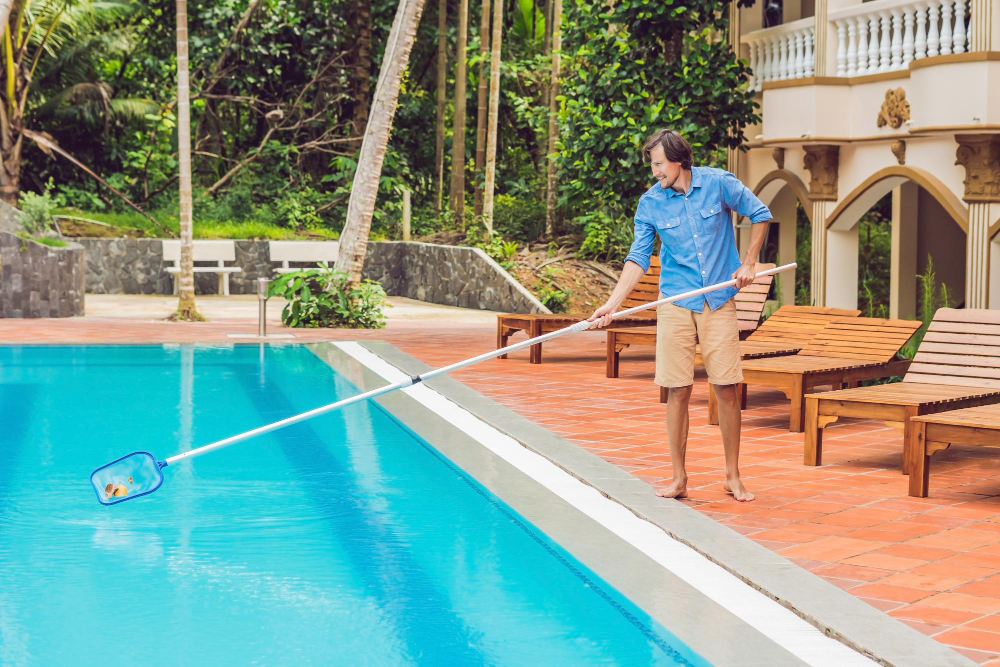
Living in the Sunshine State means your pool is likely the center of your home life. Whether you are hosting weekend barbecues or just trying to cool off after mowing the lawn in that thick August humidity, your pool works hard for you. But just like your car tires wear down after thousands of miles, your pool surface wears down after years of exposure to water and chemicals.
You might be wondering if that rough texture on your feet is normal or if those stubborn stains are a sign of a bigger problem. Generally, a standard plaster pool in Florida needs to be resurfaced every 10 to 15 years. However, this timeline isn't set in stone. It depends heavily on the materials used and how well the water has been maintained over the years. Understanding the lifespan of your pool's finish helps you plan for this necessary maintenance before small issues turn into expensive structural repairs.
What factors shorten the life of my pool surface?
The intense Florida climate and chemical imbalances are the two biggest culprits that degrade your pool finish.
Here in the Tampa Bay area, we deal with blistering UV rays year-round. That sun beats down on the water, causing chemicals like chlorine to evaporate quickly. This constant battle to keep water balanced can lead to aggressive water conditions that eat away at the surface. When calcium levels drop too low, the water actually tries to pull calcium out of your plaster to balance itself, leaving the surface pitted and rough.
Why this matters:
If you understand that your pool is constantly fighting the elements, you can take better care of it. Think of your pool finish like the skin on your body; if you stay out in the Florida sun without protection, you get burned. If your pool sits in the sun without balanced chemicals, the surface gets burned, becoming brittle and prone to cracking much faster than it should.
How can I tell if my pool needs resurfacing right now?
Your feet and eyes will usually tell you it is time for a renovation before anything else does.
The most obvious sign is comfort. If the bottom of the pool feels like sandpaper against your toes, the protective coating has worn away, exposing the rough concrete aggregate underneath. Beyond texture, keep an eye out for:
- Stains that won't scrub off: These are often caused by copper, iron, or calcium buildup that has penetrated the surface.
- "Spiderweb" cracks: Small, hairline cracks might look superficial, but they can grow and allow water to seep behind the shell.
- Peeling or "Pop-offs": This is where chunks of plaster actually separate from the concrete beneath.
- Chalky residue: If you brush the wall and see a cloud of white dust, your plaster is breaking down.
Why this matters:
Ignoring these signs doesn't just look bad; it risks the structural integrity of the pool shell. A pop-off or deep crack can lead to water leaking into the ground, which can eventually cause the soil to shift and the pool to settle or crack significantly.
What actually happens during a pool resurfacing?
Resurfacing is a heavy construction process that involves chipping out the old material and hand-troweling a new layer of finish.
It typically takes about 5 to 7 days, depending on the weather. First, we drain the pool and prep the surface. This is the loud, dusty part where we strip away the damaged layer. We often use a "bond coat," which acts like a powerful glue to ensure the new surface sticks to the old shell perfectly. Once that is prepped, our crew applies the new finish—whether it is standard quartz or a pebble aggregate—smoothing it by hand.
Why this matters:
Knowing the steps helps you prepare for the disruption. It is messy work, but it is the only way to get a smooth, watertight seal that will last another decade.
How much does pool resurfacing typically cost in Florida?
While every pool is unique, most homeowners in the Tampa area can expect to spend between $4,000 and $8,000 for a standard white plaster finish on an average-sized residential pool.
Of course, if you choose a higher-end finish like exposed pebble (which lasts longer and looks more natural), the price will increase. Other factors that influence the price include the size of your pool, the addition of tile work, and whether we need to repair major structural cracks before applying the new surface.
Why this matters:
Budgeting is easier when you have a realistic range. Keep in mind that while $5,000 might feel like a significant expense, a full pool replacement because of structural failure costs tens of thousands of dollars. Resurfacing is maintenance; replacement is a disaster.
How do I find a trustworthy pool contractor in Tampa?
Look for a company with a local track record and verified insurance, rather than just choosing the lowest bid you find online.
Pool renovation is a skilled trade. It requires mixing materials to exact specifications and applying them quickly before they cure. You want a team that specializes in this specific type of work. Ask to see photos of their previous pool renovation in Tampa FL projects. A reputable contractor will be happy to show you their work and explain their warranty.
Why this matters:
A bad plaster job can delaminate (peel off) in less than a year. Hiring a pro like Aqua Coat Pool Plastering means the job is done right the first time, protecting your investment.
How can I make my new pool surface last longer?
Consistent water chemistry is the single most important factor in extending your finish's lifespan.
You should test your water weekly. Keep your pH between 7.4 and 7.6, and your alkalinity between 80 and 120 ppm. Also, brush your pool regularly. Even if it looks clean, brushing removes microscopic algae spores and dirt that can settle into the pores of the plaster.
Think of it like changing the oil in your car. If you skip oil changes, the engine dies. If you skip water balancing, the plaster dies. Simple maintenance prevents premature aging.
Bringing your pool back to life
Your pool should be a refreshing escape from the heat, not a source of stress or scraped toes. While the Florida sun and humidity are tough on outdoor surfaces, a timely resurfacing job can make your pool look and feel brand new again. By watching for signs of wear and keeping your water balanced, you can ensure your backyard oasis stays beautiful for years to come.
If you are noticing rough spots, leaks, or just a tired look to your swimming pool, don't wait for the problems to get worse. We are here to help you get back to swimming in style. Contact Aqua Coat Pool Plastering today to schedule an estimate for your pool renovation in Tampa FL.