Pool Resurfacing in Tampa: How Often Is It Needed?
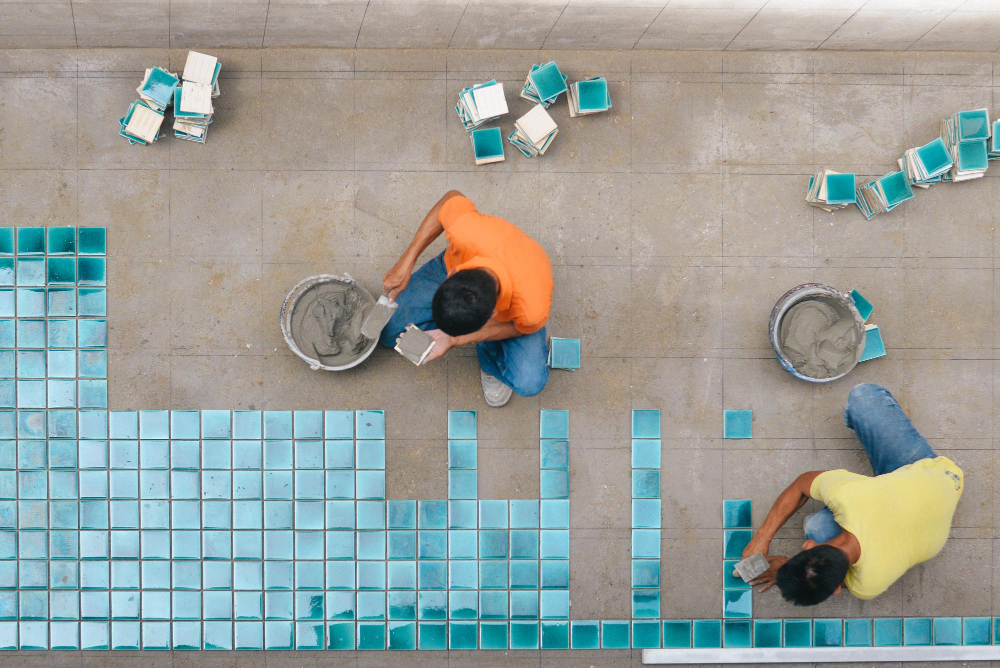
Living in Florida, your swimming pool is likely the center of your family's social life. Whether you're cooling off after a long week or hosting a barbecue for friends in neighborhoods like Hyde Park or Westchase, that body of water gets a lot of use. However, the intense Florida sunshine and heavy usage eventually take a toll on your pool's interior.
Most homeowners know they need to keep the water clean, but the physical surface of the pool often gets overlooked until there is a problem. Understanding the lifespan of your pool finish is vital for protecting your investment. If you're looking for pool resurfacing, understanding the timing and signs of wear can save you from more expensive repairs down the road.
What impacts how long my pool surface lasts?
The Florida climate and your maintenance habits are the two biggest factors determining how long your finish holds up. While a standard plaster pool surface typically lasts between 5 to 10 years, exposed pebble finishes can last 15 to 20 years or more.
Why does this matter? Because knowing what degrades your pool helps you fight back against wear and tear.
Chemical Balance
This is the number one factor. If your pH is too low (acidic), it eats away at the surface of the pool, causing pitting and roughness. If the pH is too high, scale builds up, making the surface look dull and dirty. In our humid climate, balancing chemicals is a weekly—sometimes daily—battle.
Florida Weather
Our state provides a unique challenge. The relentless UV rays from the sun can bleach and weaken pool surfaces over time. Additionally, the heavy rains we get during the summer storm season can dilute your pool chemicals, leading to imbalances that damage the finish.
Usage
A pool that is used daily by kids and pets will wear down faster than a decorative pool that is rarely used. Physical friction and the introduction of oils and dirt affect the surface longevity.
How do I know if my pool needs a makeover?
You will usually feel the need for resurfacing before you see it. If the bottom of your pool feels like sandpaper and scrapes your feet, the protective coating has worn away, exposing the rough concrete aggregate beneath.
Here are the most common signs it is time to call a professional for pool remodeling Tampa Florida:
- Stains: Copper, iron, and calcium can leave unsightly distinct colors on your pool floor. If acid washing doesn't remove them, the stain has likely penetrated the surface.
- Leaks: If your water bill spikes or you're adding water more frequently than usual (accounting for evaporation), you might have structural cracks.
- Chalky Residue: If the water is cloudy or you can wipe a chalky powder off the walls, the surface material is breaking down.
- Pop-offs: This occurs when the plaster separates from the concrete shell, creating hollow spots or blisters on the pool floor.
What are the material options and costs in Florida?
You generally have two main choices for materials: standard marcite plaster or an aggregate pebble finish. The cost varies significantly based on the size of your pool and the material you choose.
Standard Plaster (Marcite)
This is the traditional white finish. It is the most affordable option upfront but has the shortest lifespan.
- Cost: Typically ranges from $5,000 to $8,000 for an average-sized residential pool in Central Florida.
- Lifespan: 5-10 years.
Pebble Finishes (Aggregate)
This surface mixes cement with small pebbles or quartz. It is incredibly durable, resistant to chemicals, and comes in various colors that can make the water look like a tropical lagoon.
- Cost: According to home improvement data, aggregate finishes generally cost between $8,000 and $15,000 depending on the complexity of the job.
- Lifespan: 15-20+ years.
While you're looking at the interior, do not forget the exterior. Many homeowners choose to tackle pool deck resurfacing at the same time to give the entire backyard a cohesive, fresh look.
Can I resurface the pool myself to save money?
While you can technically rent equipment, DIY pool resurfacing is highly discouraged due to the extreme difficulty and precision required. This isn't like painting a bedroom; it involves mixing specialized cement compounds that dry very quickly.
If the temperature is too hot (which is common here in Tampa) or the mix isn't applied with perfect timing, the plaster will delaminate or crack within months. We have seen many well-intentioned homeowners in Seminole Heights try to save money, only to pay double to have a professional chip out the bad DIY job and start over.
How can I extend the life of my pool surface?
Consistent water chemistry is the single best way to make your pool surface last longer.
Test Water Weekly
Keep your pH between 7.4 and 7.6. This is the "sweet spot" where the water is neither acidic enough to eat the plaster nor basic enough to create scale.
Brush the Pool
Sediment and dirt can stain the surface if left to sit. Brushing the walls and floor once a week prevents dirt from embedding into the pores of the plaster.
Watch the Water Level
Never let the pool drain completely without professional advice. The water pressure actually helps hold the pool shell in place. In Florida's high water table, an empty pool can actually "float" or pop out of the ground, causing catastrophic damage.
When should I schedule my project?
The best time to schedule pool remodeling Tampa Florida is during the cooler, drier months, typically from October through March.
During the summer, the daily afternoon thunderstorms can interrupt the application process. Furthermore, the intense heat can cause the plaster to cure too quickly, leading to shrinkage cracks. By scheduling in the "off-season," you ensure the materials cure properly, and your pool is ready for the first cannonball of summer.
Trust Local Experts for Your Pool
Your pool is a major part of your home’s value and your family’s fun. If you're noticing rough textures, cracks, or just a dull appearance, it might be time to look into pool remodeling Tampa Florida. Ignoring these signs can lead to structural damage that costs much more than a simple resurfacing job.
Whether you need a simple plaster refresh or a complete backyard transformation with new pavers and equipment, we are here to help.
Aqua Coat Pool Plastering has been serving the area since 1993. Give us a call at (813) 767-1567 to schedule your free consultation today.