Tampa Humidity vs. Your Pool Pump: 5 Signs of Trouble
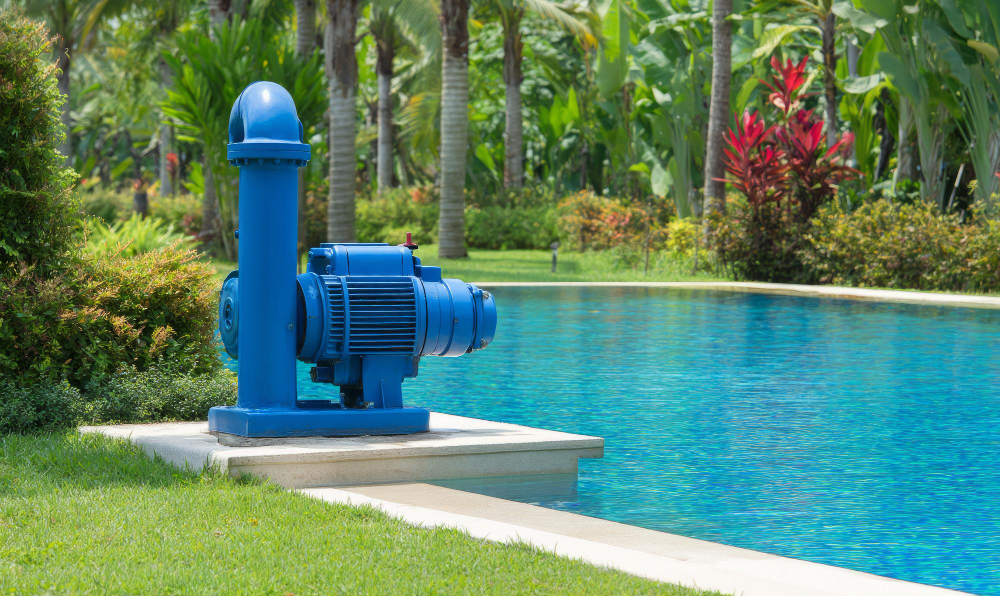
Living in Central Florida means dealing with heat and moisture. We all know that feeling of stepping outside in August—it’s like walking into a sauna. While we retreat into the air conditioning, our pool equipment sits outside, battling the elements every single day.
Most homeowners realize that the sun fades their pool finish, but few consider what that thick, heavy air does to the mechanical heart of their pool: the pump. With average summer humidity hovering between 70% and 80%, moisture is a silent killer for electrical components. It forces your equipment to work harder and fail faster than pumps in drier climates.
Understanding how this environment affects your system can save you hundreds of dollars in emergency repairs and keep your water crystal clear year-round.
How does moisture actually damage my pool equipment?
Humidity penetrates the motor windings and corrodes electrical contacts inside the pump, leading to short circuits and motor failure. It isn't just about water splashing on the unit; it is the water vapor in the air that gets inside the motor housing.
When the temperature drops at night, that moisture condenses on the metal parts. Over time, this causes rust and corrosion on the bearings and the motor shaft. This matters because once rust sets in, it increases friction. Your pump has to use more electricity to do the same amount of work, eventually overheating and burning out.
While many homeowners focus on aesthetic upgrades like pool resurfacing to keep their backyard looking great, the mechanical health of the pool is just as vital. If the pump fails, that beautiful new finish can get stained by stagnant, algae-filled water in a matter of days.
What are the warning signs my pump is failing?
Your pump will usually tell you it is struggling through sound or performance issues before it quits entirely. Catching these signs early is the difference between a minor part replacement and buying a whole new system.
Here are the five most common indicators that the Tampa weather is taking its toll:
1. Screeching or Grinding Noises
If your pump sounds like rocks in a blender, the bearings are likely shot. The high humidity in neighborhoods like Hyde Park or near the water in South Tampa speeds up the breakdown of the lubricants inside the bearings. Once that grease is gone, metal grinds on metal.
2. Water Leaking Under the Pump
Puddles underneath the pump usually indicate a failed shaft seal. In our climate, rubber seals dry rot and crack faster due to the intense UV exposure and heat. If water gets past the seal, it will travel along the shaft and into the motor, destroying it.
3. The Pump is "Short Cycling"
Does your pump turn off and on by itself? It is likely overheating. Florida motors run hot naturally, but when you add internal friction from corrosion, the thermal overload switch trips to save the motor. This is a cry for help from your equipment.
4. Stubborn Algae Growth
If you're balancing your chemicals perfectly but still seeing green, your pump might not be moving enough water. Worn-out impellers or a motor running at half-speed can’t circulate the water fast enough to filter out debris.
5. High Electric Bills
A corroded, struggling motor draws significantly more amps than a healthy one. If your Duke or TECO bill spikes without a clear reason, check your pool equipment.
If you notice any of these symptoms, you likely need to schedule pool repair in Tampa Florida before the unit seizes up completely.
Can I prevent humidity damage?
Yes, improving airflow and performing regular checks can significantly extend your pump's life. You can’t change the weather, but you can change the environment around your equipment.
Vegetation traps moisture. If you have thick shrubs crowding your pool pad, trim them back to allow the breeze to dry out the equipment. Also, check your pump basket lid O-ring frequently. If air gets in, the pump loses prime, runs dry, and builds up massive heat.
If you're planning a backyard renovation, such as pool deck resurfacing, consider assessing your equipment pad at the same time. Ensure the concrete pad is level and not sinking into the soft, sandy soil we have here. A tilting pump stresses the plumbing and the motor.
Regular preventative maintenance is always cheaper than emergency pool repair in Tampa Florida. A little airflow goes a long way.
Is it better to repair or replace my pool pump?
The decision usually comes down to the age of the unit and the cost of the repair versus a new installation. In Florida, pool pumps typically last 8 to 12 years, compared to 15+ years in northern states.
If your pump is over 10 years old and the repair estimate is more than 50% of the cost of a new unit, replacement is usually the smarter financial move. For example, replacing a motor might cost $500 to $800, but the rest of the pump (the plastic housing, basket, and impeller) is still old and brittle.
Upgrading also offers energy benefits. Modern variable-speed pumps are mandatory for filtration pumps in Florida for a reason: they are incredibly efficient. according to energy experts, switching to an Energy Star certified pool pump can save you roughly $300 a year in energy costs.
However, if your pump is only a few years old and just needs a capacitor ($150-$300) or a seal kit, a repair makes perfect sense. We help homeowners make this calculation every day when they call us for pool repair in Tampa Florida.
Don’t Let the Humidity Win
The humidity in Central Florida is tough on everything, from our hair to our home appliances. Your pool pump works tirelessly to keep your oasis swimmable, so keep an ear out for those warning signs. Addressing a screeching bearing today is much easier than replacing a seized motor in the middle of a July heatwave.
If you suspect your pump is on its last leg, or if you just want a professional opinion on your pool's health, we are here to help.
Contact Aqua Coat Pool Plastering at (813) 767-1567 to speak with a local expert today.