How Long Does Pool Plaster Last? Lifespan & Maintenance Tips
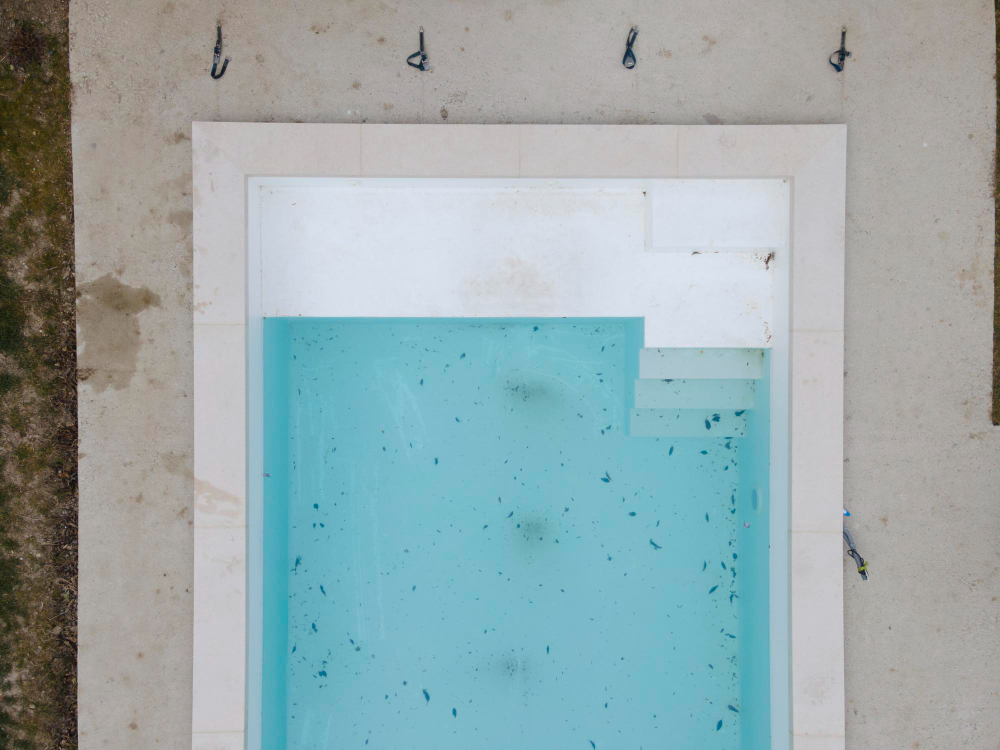
A swimming pool is the centerpiece of any Florida backyard. It’s where we cool off during those blazing July afternoons and where we host weekend barbecues with friends. But just like the roof over your head or the tires on your car, your pool’s interior surface doesn’t last forever. Over time, the smooth finish that once made your water sparkle can become rough, stained, or cracked.
If you’ve noticed your pool looking a little tired lately, you might be asking yourself: "How long is this plaster supposed to last?" Understanding the lifespan of your pool’s surface is key to planning for maintenance and budgeting for future repairs. Let’s dive into what you can expect from your pool plaster and how to keep it looking its best for years to come.
What is the typical lifespan of pool plaster?
Most traditional pool plaster (often called Marcite) typically lasts between 5 and 10 years in Florida’s climate. While that might seem like a wide range, the longevity depends heavily on the materials used and how well the pool is maintained.
If you choose a more durable aggregate finish, like pool resurfacing with a quartz or pebble finish, you can expect significantly longer results. Quartz finishes often last 10–15 years, while premium pebble finishes, like the Pebble Tec options we apply, can last 15–20 years or more. This matters because while the upfront cost of a pebble finish is higher, you won't have to go through the renovation process as frequently.
What factors affect how long my plaster lasts?
Why does one pool look brand new after a decade, while another needs help after five years? It usually comes down to three main factors: water chemistry, usage, and the Florida environment.
Water Chemistry
This is the single most critical factor. If your water is too acidic (low pH), it will slowly eat away at the plaster, leaving it rough and pitted. If the pH is too high, calcium scale can build up, making the surface look cloudy and gray. Keeping your chemicals balanced isn't just about safe swimming; it's protecting your investment.
Florida Climate
Living in areas like Tampa or nearby St. Petersburg means your pool is exposed to intense UV rays and heat almost year-round. This constant exposure accelerates the aging process of standard plaster. Additionally, our heavy summer rains can throw off your water chemistry overnight, requiring vigilant testing.
Quality of Installation
Not all plaster jobs are created equal. The skill of the crew mixing and troweling the material makes a huge difference. If the mixture is too thin or applied on a day that's too hot without proper precautions, it can weaken the final product. That’s why we use only in-house crews rather than subcontractors, to ensure every square inch is applied correctly.
How do I know if my pool needs replastering?
Your pool will usually tell you when it’s time for a makeover. You don't need to be a pool expert to spot the signs; you just need to know what to look for.
Rough Texture
Have your kids complained about scraped toes or snagged swimsuits? As plaster wears down, the smooth cement washes away, leaving rough sand or aggregate exposed. This "sandpaper" feel is a classic sign that the surface is nearing the end of its life.
Stains that Won't Scrub Off
Over time, minerals like copper and iron, or organic matter like leaves, can penetrate the porous surface of old plaster. If you have tried acid washing or vigorous scrubbing and the stains remain, they are likely embedded deep in the material.
Cracks and Delamination
Small, spiderweb-like cracks (check cracks) are often cosmetic, but larger structural cracks are a concern. "Delamination" happens when the plaster separates from the concrete shell underneath, creating hollow spots. If you tap on the floor of the pool and hear a hollow sound, that area is popping off and needs repair.
Can I just repair the bad spots?
You can patch small areas, but spot repairs often look like a bandage on a broken arm. The new plaster will be a different color than the old, faded surface, leaving your pool looking patchy.
If you have a single small crack or a chip on a step, a patch might get you by for another season. However, if the rough spots are widespread or you have delamination in multiple areas, pool plastering in Tampa Florida is usually the more cost-effective long-term solution. Replastering the whole pool ensures a watertight seal and a uniform, beautiful look.
How much does replastering cost?
The cost to replaster a pool varies based on the size of your pool and the finish you choose. For a standard Marcite finish on an average residential pool, costs typically range from $5,000 to $10,000. If you upgrade to a longer-lasting Pebble Tec finish, the investment generally falls between $8,000 and $15,000.
While the price tag is significant, it's helpful to view it as a long-term investment. Amortized over a 15-year lifespan, a high-quality pebble finish costs relatively little per year for the peace of mind and aesthetic appeal it provides.
What about the area around the pool?
When you're looking at resurfacing the inside of your pool, don't forget to look at the deck surrounding it. A freshly plastered pool can make an old, cracked deck look even worse by comparison.
Pool deck resurfacing is a great way to tie the whole renovation together. Whether you want to install new pavers or refresh your existing acrylic deck with a cool-deck coating, handling both projects at once can save time and disruption to your backyard. We often work on homes in neighborhoods like Hyde Park and Westshore where updating the pavers alongside the pool interior completely transforms the outdoor living space.
How can I make my new plaster last longer?
Once you’ve invested in a new pool surface, you want to keep it looking pristine. Here are a few maintenance tips to extend its life:
- Test water weekly: Keep your pH between 7.2 and 7.6. This is the "sweet spot" where the water is neutral and won't attack your plaster.
- Brush the pool: Brushing your pool walls and floor once a week helps remove dirt and prevents algae from taking root in the surface pores.
- Manage the Calcium: In Florida, our water is naturally hard. Monitor your Calcium Hardness levels to prevent scale buildup that can dull your finish.
- Run the pump: Ensure you're running your pump enough to circulate chemicals thoroughly. Variable speed pumps are excellent for this, as they can run longer at a lower cost, keeping the water consistently filtered.
Ready to refresh your pool?
A swimming pool is a big part of the Florida lifestyle. If your pool is showing its age with rough spots, stains, or cracks, it might be time to consider pool plastering in Tampa Florida. A new surface not only feels better on your feet but also makes your water look cleaner and brighter.
At Aqua Coat Pool Plastering, we treat every pool as if it were our own. We are proud to serve our local community, from South Tampa to Brandon and beyond. If you're ready to explore your options for a beautiful, long-lasting pool finish, we are here to help.
Call Aqua Coat Pool Plastering today at (813) 767-1567 to schedule your free consultation.