Is Pool Resurfacing in Tampa Worth the Investment?
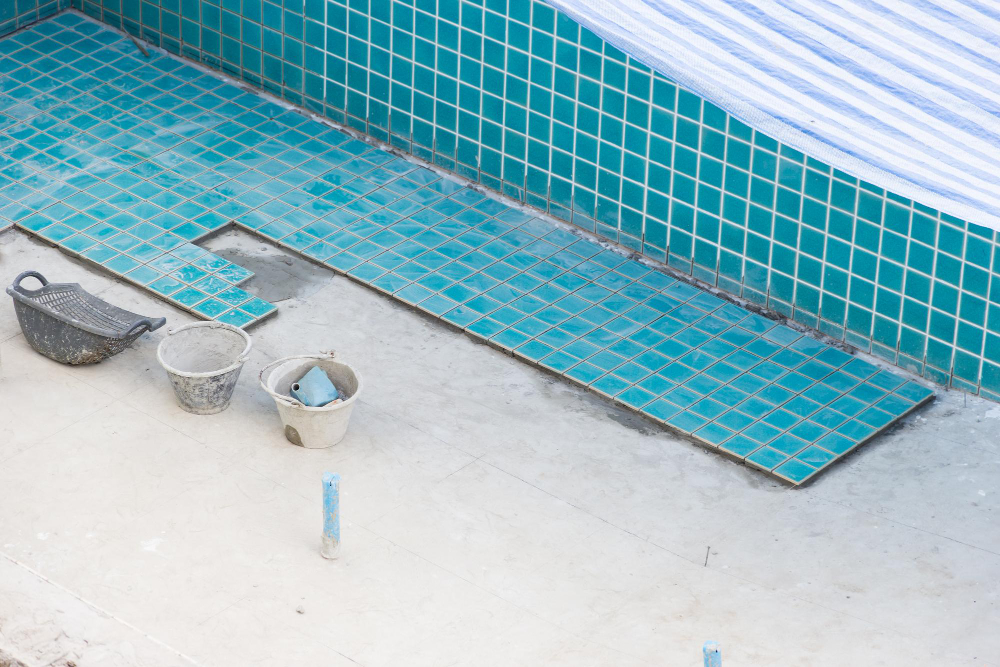
Living in Tampa Bay, a swimming pool isn't just a luxury; it’s practically a necessity for surviving our humid, 95-degree summers. But just like your roof or your car, your pool has a lifespan. Over time, that once-smooth surface becomes rough, stained, or cracked. If you're looking at your backyard oasis and wondering if it’s time for a refresh, you aren't alone. Many homeowners ask us if the cost is really justified.
The short answer is yes, protecting your pool shell is vital for the longevity of your home's value. Ignoring a deteriorating pool surface can lead to structural damage, leaks, and much higher repair bills down the road. When you look into pool resurfacing options, you're investing in the safety and future of your property.
Why should I resurface my pool?
Resurfacing does much more than just make your pool look pretty again. While aesthetic improvements are the most obvious benefit, turning a dull, stained gray surface into a sparkling blue gem, the structural benefits are why this matters most.
As pool surfaces age, they become porous. This allows water to seep through to the concrete shell (gunite/shotcrete) beneath. Once water reaches that structural shell and the steel reinforcing bars inside it, you risk major structural failure. In a place like South Tampa or near the water in St. Petersburg, where the water table is high, protecting that shell is critical.
Safety is another huge factor. Have you or your kids ever come out of the pool with scraped toes or snagged swimsuits? That is a sign your pool surface has pitted and deteriorated. A fresh surface is smooth to the touch, saving your family’s feet and making swim time enjoyable again.
Which pool finish is right for my home?
The right finish depends entirely on your budget, your aesthetic taste, and how long you want the surface to last. In the world of pool resurfacing Tampa Florida, you generally have three main categories to choose from.
Traditional Plaster (Marcite)
This is the classic white finish you see in older pools. It is the most affordable option upfront, typically costing between $5,000 and $10,000, depending on your pool size. It gives that classic "light blue" watercolor. However, it's the softest material and has the shortest lifespan, usually lasting 5 to 10 years in our Florida climate before it needs to be redone.
Quartz Aggregate
If you want something tougher than standard plaster, quartz is a great middle ground. Manufacturers mix crushed quartz stone with the plaster cement. This creates a harder, non-porous surface that resists staining better than standard marcite. You can expect a quartz finish to last 10 to 15 years.
Pebble Finishes (Pebble Tec)
This is the gold standard for durability. These finishes consist of small river pebbles embedded in the surface. Because the stone is natural, it's incredibly resistant to pool chemicals and the harsh Florida sun. While it costs more upfront, often ranging from $8,000 to $15,000,it has a lifespan of 15 to 20 years.
How much does pool resurfacing cost?
The cost of resurfacing a pool in Central Florida varies based on the size of your pool and the material you choose. Generally, you can expect to pay between $5,000 and $15,000 for a complete resurface.
Why is there such a big range? Material is the biggest factor. As mentioned above, standard plaster is on the lower end, while premium glass bead or pebble finishes are on the higher end. However, other factors include:
- Prep work: If your existing pool has cracks or hollow spots (delamination), those must be repaired before the new surface goes on.
- Tile work: Many homeowners choose to replace the waterline tile at the same time, since the crew is already there.
- Add-ons: This is the perfect time to add a sun shelf or upgrade your lighting.
According to data from Angi, the national average for pool resurfacing hovers around $6,500 for smaller pools using basic materials, which aligns with what we see here in the local market.
How long will my new pool surface last?
Your new pool surface should last anywhere from 10 to 20 years, provided you maintain your water chemistry.
Why does chemistry matter so much? The water in Central Florida is naturally hard. If your pH or calcium hardness gets out of whack, the water becomes aggressive. It will actually try to leach calcium out of your new pool finish to balance itself, which causes rough pitting and shortens the life of the surface.
To get the most out of your investment, we recommend testing your water weekly. This is especially true during the rainy season (June through September), when daily thunderstorms can dilute your chemicals and throw off your pH balance.
Don't forget the area surrounding the water, either. If your pool interior looks brand new, but the deck is cracked or faded, the backyard won't have that "resort" feel. Many of our clients opt for pool deck resurfacing at the same time to ensure the pavers or acrylic deck match the beauty of the new pool interior.
What results can I expect in Tampa?
We have seen pool resurfacing Tampa Florida projects completely transform the look and value of homes.
For example, we recently worked on a home near Pearl Avenue in South Tampa. The pool was 20 years old, with rough marcite that was cutting the kids' feet and old 6-inch waterline tile that looked dated. We resurfaced the pool with a premium pebble finish and updated the tile to a modern glass mosaic. The result wasn't just a fixed pool; it looked like a brand-new installation.
Whether you're in Carrollwood, Hyde Park, or down in Apollo Beach, a resurfaced pool signals to buyers (and neighbors) that the home is well-cared for.
Will I get a return on my investment?
You will see a return on investment through increased property value and decreased maintenance costs.
From a value standpoint, a renovated pool is a major selling point in Florida. A damaged or stained pool is a red flag that scares off buyers because they see it as a "money pit." Fixing it beforehand removes that barrier and justifies a higher asking price.
From a monthly cost perspective, a new, non-porous surface uses fewer chemicals. When the surface is pitted, algae hides in the cracks, forcing you to shock the pool more often and run the pump longer. A smooth new surface helps you save on chlorine and electricity.
Make the Right Choice for Your Pool
Is resurfacing worth it? If you plan to stay in your home and want to enjoy your backyard without scraped feet or leak worries, absolutely. If you plan to sell, it’s often necessary to get full market value for your home.
You don’t have to guess the costs or the condition of your pool. We are a family-owned business right here in Tampa, and we specialize in giving honest assessments.
Ready to transform your backyard? Contact Aqua Coat Pool Plastering today at (813) 767-1567 for a free consultation.