Resurfacing vs. Replastering: Which Does Your Florida Pool Need?
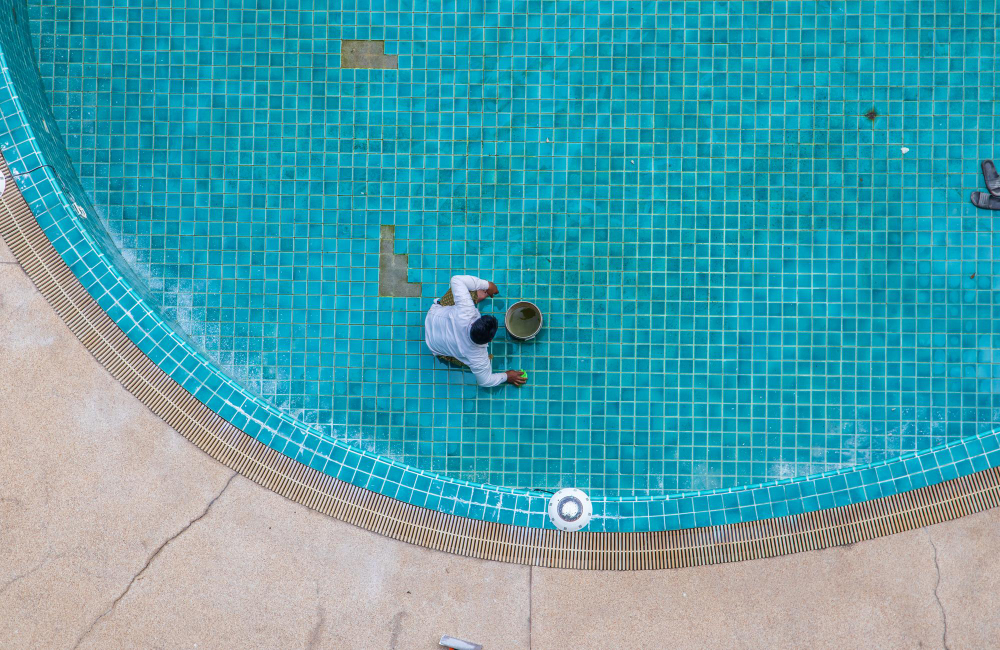
Living in the Sunshine State means your pool is likely the center of your home life. Whether you're hosting weekend barbecues in South Tampa or cooling off after a long work week in St. Petersburg, that body of water gets a lot of use. But over time, the relentless Florida sun and chemical exposure take their toll. You might notice rough texture on your feet, stains that won't scrub off, or even cracks in the finish.
When you start looking for solutions, you will likely run into two terms: "resurfacing" and "replastering." While many people use them interchangeably, understanding the difference is key to making the right investment for your home. This guide breaks down exactly what your pool needs so you can get back to swimming without worry.
What is pool resurfacing?
Pool resurfacing is the broad, umbrella term for the process of removing the old surface of your pool and applying a new one. Think of it like putting a new roof on a house; you're replacing the protective barrier that keeps everything watertight and looking good.
When we talk about pool resurfacing, we are talking about the entire category of finishes. This could mean applying traditional white plaster, but it also includes upgrading to more durable aggregate finishes like quartz or Pebble Tec.
Why does this matter? Resurfacing is necessary to protect the structural integrity of your pool shell. Once the surface layer fails, water can seep into the concrete (gunite) shell, leading to structural damage that is much more expensive to fix than a simple resurface.
What is pool replastering?
Pool replastering is a specific type of resurfacing. It refers to applying a new coat of traditional white plaster, also known as Marcite, to the pool shell. This is the classic, smooth white finish that has been used for decades.
For many homeowners, replastering is the go-to choice because it's cost-effective and provides that classic, bright blue water appearance. However, it's important to know that Marcite is the softest of the pool finishes. In our specific climate, standard plaster surfaces typically last 5 to 10 years before they show signs of wear, like etching or staining.
How do you decide between the two?
The choice really comes down to your goals for durability and aesthetics. Are you looking for a quick refresh or a long-term upgrade?
If you choose to simply replaster, you're selecting the standard, entry-level option. It looks clean and beautiful, but it requires more careful chemical maintenance to prevent the finish from breaking down prematurely.
On the other hand, if you opt for pool resurfacing in Tampa Florida with an aggregate finish (like quartz or pebble), you're mixing that plaster with harder materials. This creates a surface that is much more resistant to pool chemicals and staining. While replastering restores the pool to its original basic state, upgrading your resurfacing material adds value and longevity.
How much do these options cost?
Budget is almost always the deciding factor for our clients. Which option provides the best return on investment?
- Traditional Plaster (Marcite): This is your most affordable option upfront. In the Central Florida market, a standard Marcite finish typically ranges from $5,000 to $10,000, depending on the size of your pool.
- Aggregate Finishes (Pebble/Quartz): These are premium upgrades. A finish like Pebble Tec generally costs between $8,000 and $15,000.
Why does the higher cost matter? While the upfront price of an aggregate finish is higher, the lifespan is significantly longer. A quality pebble finish can last 15 to 20 years, double the life of standard plaster. According to data from Angi, the national average for pool resurfacing varies widely, but investing in durable materials often lowers the "cost per year" of ownership because you won't have to repeat the process as quickly.
While you're looking at the budget, don't forget the surrounding area. Many homeowners choose to handle pool deck resurfacing at the same time to give the entire backyard a cohesive, brand-new look.
How does the Florida climate affect your choice?
Did you know that Florida has stricter building codes than most states due to our unique weather? The same intensity that requires hurricane-rated windows affects your pool.
Between the intense UV rays and the heavy summer rains we get from June through September, your pool water chemistry fluctuates constantly. This environment is harsh on soft standard plaster. That is why pool resurfacing in Tampa Florida often leans toward harder aggregates.
Furthermore, Florida pools are open year-round. Unlike northern pools that get covered and winterized, your pool surface is exposed to the elements 365 days a year. This constant exposure is why we see a lifespan of roughly 10-15 years for most surfaces here, whereas they might last longer in cooler climates.
What should you look for in a contractor?
Choosing the material is only half the battle; the application matters just as much. Why is the contractor's process so critical?
Pool finishing is an art. If the mixture is applied too slowly or troweled incorrectly, you can end up with streaks, rough spots, or delamination (where the surface peels away).
At Aqua Coat Pool Plastering, we handle everything in-house. We do not use subcontractors. This is rare in our industry, but it matters because it ensures quality control. Our crew has been working together for years, specifically trained to apply premium finishes like Pebble Tec. When you're looking for pool resurfacing in Tampa Florida, ask potential contractors if they have their own trucks and crews or if they farm the work out.
We also know the local area inside and out. From the historic homes near Bayshore Boulevard to new builds in Wesley Chapel, we understand the specific soil conditions and groundwater issues that can affect Florida pools.
Making the right choice for your pool
Deciding between a standard replaster and a more durable resurfacing upgrade depends on how long you plan to stay in your home and your budget. If you want the most economical solution right now, replastering is a solid choice. If you want a finish that you won't have to worry about for two decades, upgrading to an aggregate surface is the smarter play.
Your pool is a major investment, and keeping it in top shape ensures you can enjoy it whenever the mood strikes. You don't have to make this decision alone. We are here to help you evaluate the current state of your pool and give you an honest assessment of what it needs.
Ready to transform your backyard oasis? Contact Aqua Coat Pool Plastering at (813) 767-1567 today for a free consultation.